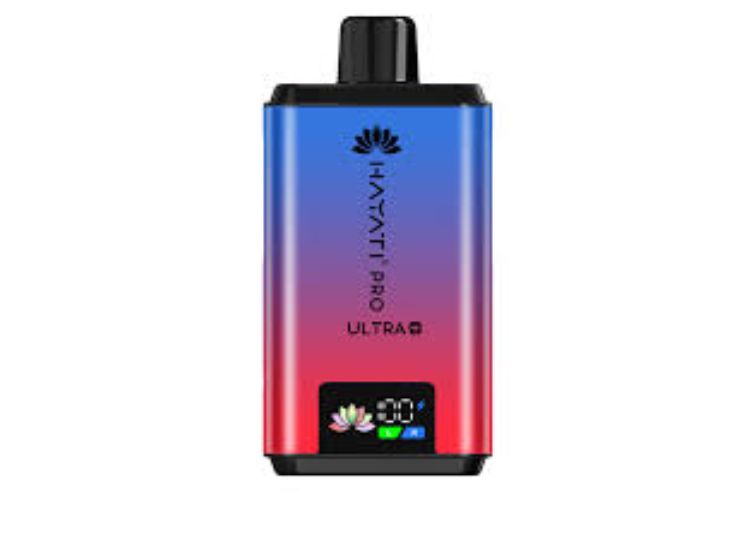
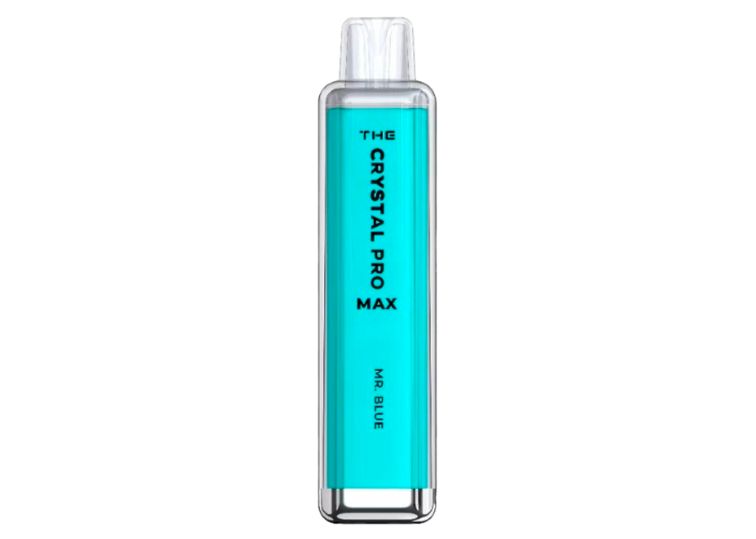
Seen those “herbal vapes” in the health shop window and wondered if they’re the magic solution to quitting cigarettes. You’re not alone. A lot of people are curious about whether vaping herbs instead of nicotine can help them kick the smoking habit. Let me break down what herbal vapes actually are and whether they’re worth your time and money.
What Are Herbal Vapes Really?
Herbal vapes are devices that heat dried herbs, botanicals, or herbal blends to produce vapour without combustion. They don’t contain tobacco or nicotine – instead, they vaporise things like chamomile, lavender, peppermint, or proprietary herbal mixtures.
Here’s the truth: herbal vapes won’t satisfy nicotine cravings because they contain zero nicotine. They’re not a smoking replacement in the traditional sense. They’re marketed as a “natural” or “wellness” alternative, but if you’re trying to quit cigarettes, they probably won’t help much. Your body is craving nicotine, not chamomile vapour. Now let’s look at what they actually do and who they might work for.
What Actually Goes Into Herbal Vapes?
Herbal vapes use dried plant material instead of e-liquid or tobacco. The contents vary wildly depending on the brand and product.
Common Herbs Used
You’ll typically find:
- Chamomile – supposedly calming and relaxing
- Lavender – marketed for stress relief
- Peppermint – refreshing, cooling sensation
- Damiana – claimed to boost mood
- Mullein – traditionally used for respiratory health (ironic, really)
- Green tea – for the antioxidant crowd
- Rose petals – mostly for flavour
Some herbal vapes use single herbs. Others use blends, mixing several plants.
What They Don’t Contain
This is crucial to understand:
- No nicotine (unless specifically added)
- No tobacco (usually)
- No THC (the psychoactive compound in cannabis)
- No guarantee of effectiveness for anything they claim
They’re essentially vaporised potpourri. That’s not necessarily bad, but it’s important to have realistic expectations.
How Herbal Vapes Actually Work
The technology is similar to dry herb vaporisers, just with legal, non-psychoactive herbs instead of cannabis.
The Heating Process
Herbal vapes use either:
- Conduction heating – herbs touch a hot surface directly
- Convection heating – hot air passes through the herbs
The device heats herbs to around 170-220°C, which releases the plant compounds as vapour without burning them. You load the herbs into a chamber, switch on the device, wait for it to heat up, then inhale through the mouthpiece.
Types of Devices
Herbal vapes come in different forms:
- Portable vaporisers – rechargeable, reusable devices (£30-150)
- Desktop vaporisers – larger, plug-in units for home use (£100-300)
- Disposable herbal vapes – pre-filled, single-use options (£5-15)
The reusable ones are more cost-effective long-term. Disposables are convenient but expensive if you use them regularly.
Do Herbal Vapes Help You Quit Smoking?
This is the big question. And honestly? The evidence isn’t promising.
Why They Might Not Work
Herbal vapes fail as a smoking replacement because:
- No nicotine means your cravings won’t be satisfied
- The hand-to-mouth action alone rarely beats addiction
- There’s no “hit” or throat sensation like cigarettes give you
- Most taste nothing like tobacco
- The ritual isn’t similar enough to smoking
If you’re addicted to nicotine (which you are if you smoke), removing nicotine from the equation makes quitting much harder, not easier.
The Placebo Effect
Some people say that herbal vapes helped them quit. But here’s the thing, it’s likely the placebo effect or the distraction factor, not the herbs themselves. If you believe something will work, sometimes it does. But that doesn’t make it a reliable solution for most people.
What Actually Works
Studies consistently show nicotine replacement works better:
- Nicotine vapes – 95% less harmful than smoking (Public Health England)
- Nicotine patches – steady nicotine delivery
- Nicotine gum – quick craving relief
- Prescription medications – like Champix (varenicline)
These address the actual addiction. Herbal vapes just give you something to do with your hands.
The Health Claims
Herbal vapes are marketed with loads of wellness claims. Let’s look at what’s actually proven.
What They Claim
Companies selling herbal vapes often say they:
- Reduce stress and anxiety
- Promote relaxation
- Improve sleep quality
- Boost mood and energy
- Support respiratory health
- Provide aromatherapy benefits
Sounds brilliant, right? Here’s the problem.
The Reality
There’s minimal scientific evidence that vaping herbs provides these benefits. Most claims are based on:
- Traditional herbal medicine (not modern studies)
- Aromatherapy principles (which work through smell, not inhalation)
- Customer testimonials (not clinical trials)
- Marketing hype
Chamomile tea might help you relax. But does vaping chamomile do the same? Nobody’s really proven it.
Potential Risks
Even though herbal vapes don’t contain tobacco or nicotine, they’re not risk-free:
- Lung irritation from inhaling any foreign substance
- Unknown long-term effects of vaporising herbs
- Quality control issues – what’s actually in those blends?
- Allergic reactions to certain plants
- A false sense of safety leading to excessive use
Just because something is “natural” doesn’t mean it’s harmless. Poison ivy is natural too.
Who Might Benefit From Herbal Vapes?
Despite my scepticism, herbal vapes might work for specific people in specific situations.
Ex-Smokers Who’ve Quit Nicotine
If you’ve already beaten nicotine addiction but miss the ritual of smoking, herbal vapes might help with:
- The hand-to-mouth habit
- Social situations where you’d normally smoke
- Oral fixation issues
- Stress management (placebo or not)
You’re not trying to replace nicotine here – you’re just maintaining a comforting ritual without harmful substances.
People Who Never Smoked
Some folks use herbal vapes purely for the supposed wellness benefits or as a caffeine/alcohol-free way to relax. If you’re not trying to quit smoking, the nicotine issue doesn’t matter. Just be realistic about what you’re getting. It’s not medicine.
The Curiosity Crowd
Want to try vaping something but don’t want nicotine? Herbal vapes let you experiment without addiction risk. Just don’t expect miracles.
Cost Comparison: Are They Worth It?
Let’s talk money because that matters when you’re trying to quit smoking on a budget.
Initial Investment
Herbal vape devices cost:
- Basic portable units: £30-60
- Mid-range devices: £60-120
- Premium vaporisers: £120-300+
- Disposables: £5-15 each
That’s similar to nicotine vape starter kits, but you’re not getting the nicotine replacement benefit.
Ongoing Costs
Dried herbs for vaping cost roughly:
- £5-15 per 10-20g depending on the herb
- Lasts maybe a week or two with regular use
- Some herbal vapes use pre-filled pods (£8-12 per pod)
Compare that to nicotine vapes:
- Disposables: £5-7 each (lasts 3-5 days)
- Refillable kits: £3-5 per bottle (lasts 1-2 weeks)
Herbal vapes aren’t necessarily cheaper, and they don’t address nicotine addiction. Not great value if you’re trying to quit smoking.
Better Alternatives for Quitting Smoking
If herbal vapes aren’t the answer, here are proven options:
Nicotine Vapes (E-Cigarettes)
The most popular and effective method:
- Satisfies nicotine cravings
- Mimics smoking ritual
- 95% less harmful than cigarettes
- Hundreds of flavours available
- Can gradually reduce nicotine strength
This is what actually works for most people.
Nicotine Replacement Therapy (NRT)
Traditional but effective:
- Patches – steady nicotine all day
- Gum – quick relief when cravings hit
- Lozenges – discreet and portable
- Inhalators – a similar ritual to smoking
NHS prescribes these. They’re proven to work.
Nicotine Pouches
Increasingly popular alternative:
- Small pouches you place under your lip
- No vapour, no smoke, no smell
- Nicotine is absorbed through the mouth lining
- Discreet for use anywhere
- Various strengths and flavours
Great for situations where vaping isn’t practical.
Prescription Medications
Your GP can prescribe:
- Varenicline (Champix) – reduces nicotine cravings
- Bupropion (Zyban) – an antidepressant that helps with quitting
These work on your brain chemistry to make quitting easier. Worth discussing with your doctor.
Should You Try Herbal Vapes?
Herbal vapes are not an effective smoking cessation tool for most people.
Skip them if:
- You’re trying to quit smoking and still crave nicotine
- You’re on a tight budget
- You want proven, evidence-based solutions
- You need something that actually works
Consider them if:
- You’ve already quit nicotine but miss the ritual
- You’re curious about herbal aromatherapy
- You never smoked and want something to fiddle with
- You’ve got money to spare on experiments
Better options:
- Start with nicotine vapes for effective smoking replacement
- Use NHS stop smoking services (free support and NRT)
- Try nicotine pouches if you can’t vape at work
- Speak to your GP about prescription medications
Final Thoughts
Herbal vapes sound appealing. Natural, nicotine-free, supposedly healthy. But they don’t address the core issue – your body’s addiction to nicotine. If you’re serious about quitting smoking, you need something that actually tackles nicotine cravings. That means nicotine vapes, NRT, or prescription meds. Not chamomile vapour.
Get something proven to work. Your lungs and your wallet will thank you. Herbal vapes are more wellness trend than a smoking cessation tool. They might have a place for certain people, but if you’re reading this because you want to quit fags, they’re probably not your answer. Stick with what actually works. Your future self will be grateful you did.