Ever wonder how vapes suddenly became everywhere? Ten years ago, nobody had one. Now your nan’s mate at bingo is puffing on a strawberry ice flavour between games. So when did vapes come onto the scene? And how did we go from cigarettes to these colourful devices so quickly? Let’s walk you through the actual history, minus the boring textbook stuff.
When Vaping Actually Started
Vapes came into proper use in 2003 when a Chinese pharmacist called Hon Lik invented the modern e-cigarette. But they didn’t reach the UK and become popular until around 2007-2010.
The devices we recognise today – especially disposables like Elf Bars – only really exploded onto the market around 2019-2020. That’s when vaping went from niche hobby to absolute mainstream. So when did vapes come into existence? 2003. When did they become the things we know today? Much more recently than you’d think.
The Bloke Who Started It All
Hon Lik wasn’t trying to build a vaping empire. He was trying to quit cigarettes after his dad died from lung cancer.
The 2003 Invention
Hon Lik was a pharmacist in China, smoking 40+ cigarettes a day. He tried patches, gum, everything. So he invented something completely different. A device that heats liquid nicotine into vapour, mimicking the act of smoking without burning tobacco.
His patent was filed in 2003, and the first commercial e-cigarettes hit Chinese markets in 2004. This is genuinely when vapes came into being as a real product you could buy.
Why It Took Off
The timing was perfect. People were getting sick of smoking bans, cigarette prices were climbing, and health awareness was growing. Hon Lik’s invention gave smokers something that felt similar but wasn’t actually burning tobacco. It looked like smoking, felt like smoking, but was fundamentally different.
When Vapes Reached the UK
China had them first. Then they slowly spread to other countries.
2007: The UK Gets Vaping
When did vapes come to Britain? Around 2007, the first e-cigarettes started appearing in UK shops. They were proper chunky things – nothing like today’s sleek disposables. Early vapes looked like weird pens or metal tubes. They were:
- Heavy and bulky – felt like holding a small torch
- Complicated to use – filling tanks, changing coils, charging batteries
- Expensive – starter kits cost £50-100
- Hit or miss – some worked brilliantly, others leaked everywhere
Most people thought they were a bit weird. Smoking was still the norm.
2010-2015: The Growing Years
This is when vapes came into their own in the UK. More companies started making them. Technology improved. Prices dropped. Vaping went from “that strange thing” to “oh yeah, I know someone who uses one of those.” Vape shops started appearing on high streets. The devices got better too:
- Tank systems that didn’t leak constantly
- Better battery life
- More flavour options
- Easier to refill and maintain
But they were still mostly for dedicated users. Not casual smokers trying to quit.
The Big Shift
Here’s where it gets interesting. When did vapes come into the mainstream? When disposables arrived.
2019-2020: Disposables Explode
Disposable vapes had existed before, but they were rubbish. Then companies like Puff Bar and Geek Bar started making decent ones. Suddenly you had:
- No charging needed – use it until it’s done, bin it
- No refilling – comes ready to vape
- Cheap – £5-6 instead of £50+ for a kit
- Tons of flavours – not just tobacco and menthol
This is really when vapes came into everyday use for regular people. You didn’t need to be a “vaper” anymore. Just someone who wanted to quit fags.
Why Disposables Won
Think about it like this: early vapes were like gaming PCs. Powerful, customisable, but complicated. Disposables were like smartphones – simple, ready to go, anyone could use them. The barrier to entry disappeared. See a disposable in the shop, buy it, start using it. Done. That’s when vapes came to dominate the smoking alternative market. When they became accessible to absolutely everyone.
The UK Vaping Timeline at a Glance
Let me break down the key moments:
- 2003 – Hon Lik invents the modern e-cigarette in China
- 2007 – First e-cigarettes reach UK shops (big, clunky devices)
- 2010 – Vaping starts growing as a cigarette alternative
- 2012 – Second-generation devices improve significantly (better tanks, batteries)
- 2015 – Vape shops become common on UK high streets
- 2016 – Pod systems like JUUL launch (smaller, easier to use)
- 2019-2020 – Disposables transform the market completely
- 2021-2023 – Disposables become the most popular vaping format in the UK
So when did vapes come into proper mainstream use? Really, only in the last 5-6 years with disposables.
What Made Vapes Stick Around?
Plenty of smoking alternatives have failed. Nicotine gum is boring. Patches are slow. So why did vaping work?
It Mimics Smoking
This is massive. Vaping gives you:
- Hand-to-mouth action
- Inhaling and exhaling
- Immediate nicotine hit
- Social aspect (vaping with mates)
Other nicotine products don’t give you all that. That’s when vapes came to really challenge cigarettes – when people realised they could replace the entire ritual, not just the nicotine.
The Flavour Factor
Early cigarette alternatives tasted medicinal. Grim. Hundreds of flavours. Strawberry, mango, cola, bubblegum, custard, coffee. Whatever you fancy. This made them enjoyable rather than a chore. You weren’t suffering through quitting – you were enjoying something new.
They Actually Worked
Public Health England (now the Office for Health Improvement and Disparities) published research showing vapes were about 95% less harmful than smoking. People could genuinely quit cigarettes without the same health risks. When did vapes come to be accepted by health authorities? When the evidence showed they actually helped people stop smoking.
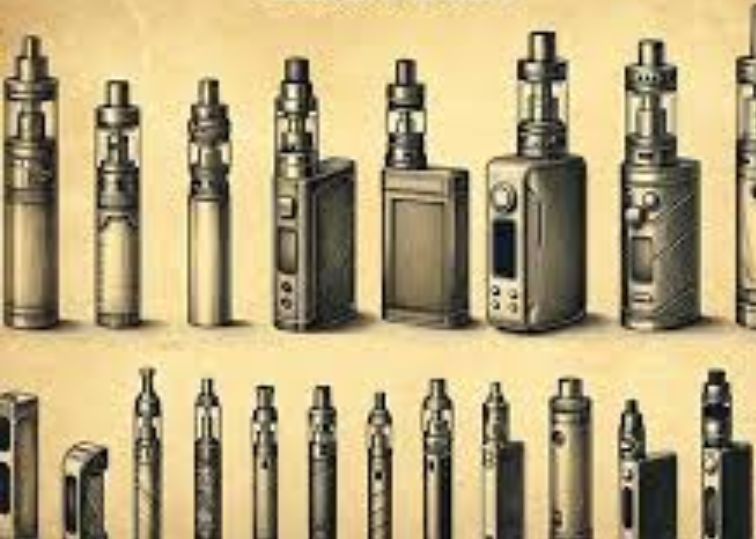
How Vapes Evolved Over Time
The journey from 2003 to now has been mental. Let’s look at how they’ve changed:
First Generation (2003-2010)
- Cigalikes – looked like cigarettes
- Disposable or had cartridges
- Weak vapour production
- Poor battery life
- Limited flavours
Second Generation (2010-2015)
- Vape pens – bigger batteries
- Refillable tanks
- Better flavour and vapour
- Still quite fiddly
- Required some knowledge
Third Generation (2015-2019)
- Box mods – customisable power
- Sub-ohm vaping (bigger clouds)
- Complex but powerful
- Mainly for enthusiasts
Fourth Generation (2016-Present)
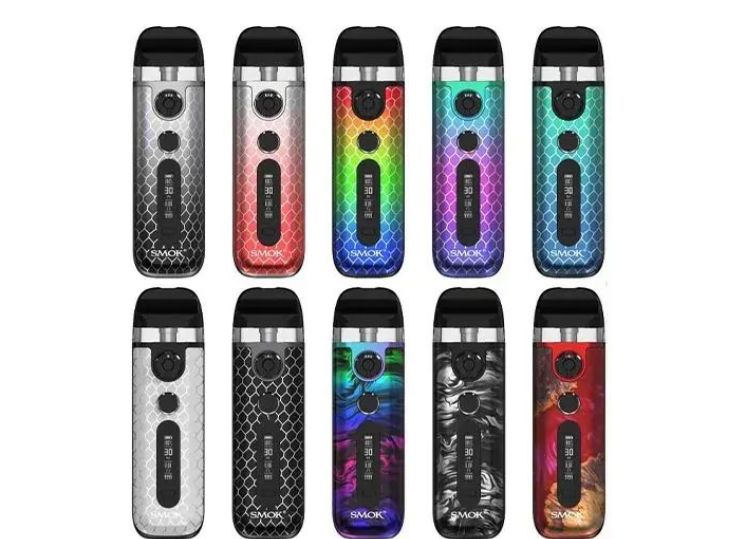
- Pod systems – compact, simple
- Disposables – ultimate convenience
- Better nicotine delivery
- More accessible to everyone
This evolution shows when vapes came to suit different users. From hobbyists to everyday smokers trying to quit.
The Disposable Debate
Here’s the thing about disposables – they’ve made vaping accessible, but they’ve also created problems.
Why People Love Them
Convenience is king. No charging, no refilling, no faffing about. Buy it, use it, done. For someone trying to quit smoking, that simplicity is everything. You’re already dealing with cravings – you don’t need the added stress of learning how to build coils or mix e-liquid. That’s when vapes came to truly help the average smoker – when they became stupid simple to use.
The Environmental Issue
But here’s the catch. Disposables create tons of waste. Each one contains:
- Lithium battery
- Plastic casing
- Electronic components
- Leftover e-liquid
Millions get binned every week in the UK. That’s not great. The government’s looking at regulations. Some people reckon disposables might get restricted or banned eventually. We’ll see.
Where Vaping Goes From Here
So we know when vapes came into existence and how they evolved. What’s next?
Possible Changes Coming
The UK government is considering:
- Age restrictions on disposable sales
- Flavour limitations (might restrict certain flavours)
- Recycling schemes for disposables
- Packaging rules to make them less appealing to kids
None of this is set in stone yet. But change is coming.
Refillable Alternatives
More people are switching to refillable pod systems. They’re:
- Cheaper long-term (£20 device lasts months)
- Better for the environment
- Still simple to use
- More flavour options
If disposables get restricted, refillables are the obvious replacement.
What This Means for You
Understanding when vapes came into use and how they developed helps you make smarter choices. If you’re trying to quit smoking:
- Disposables are the easiest starting point
- They’re more expensive long-term than refillables
- But they’re still way cheaper than cigarettes
- Environmental impact is worth considering
If you’re already vaping:
- Consider switching to refillables to save money
- Stock up on flavours you love (in case restrictions come)
- Look into recycling programmes for disposables
- Stay informed about upcoming regulations
Last Words
Vaping is still evolving. What works today might change tomorrow. Regulations are coming. Technology keeps improving. Stay flexible, stay informed, and remember why you started vaping in the first place – to quit the fags and save your health. That’s the real story of when vapes came to be. Not some corporate success story, but millions of people finding a better alternative to smoking.