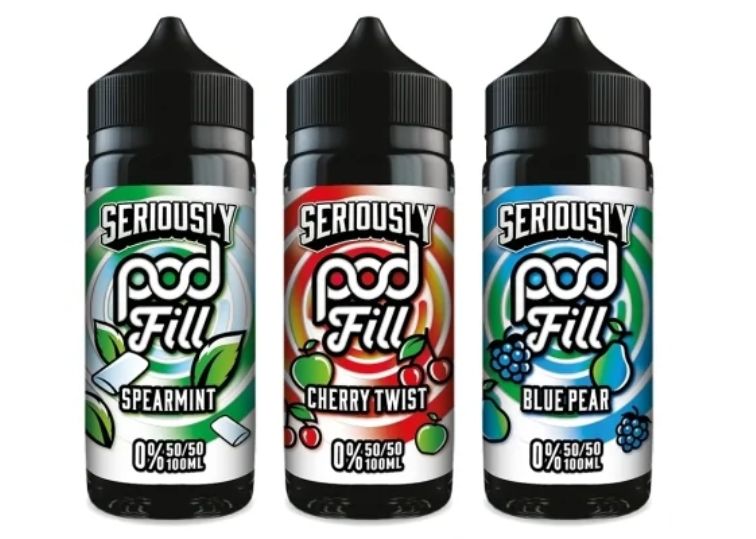
It confuses loads of people when they’re first getting into vaping. Vaping juice compared to e-liquid is literally the same thing. They’re just different names for the same product. But since you’re here, let’s properly break down why people use different terms, what’s actually in the stuff, and everything else you need to know about the liquid that goes in your vape.
Why Do People Use Different Names?
When looking at vaping juice compared to e-liquid, it’s worth understanding why we’ve got so many blooming names for the same thing.
Different terms have popped up over the years:
- E-liquid – The technical, proper term
- Vape juice – The casual, everyday term most people use
- E-juice – Just a shortened version of e-liquid
- Vaping liquid – Another way of saying the same thing
- Juice – What vapers call it when they can’t be bothered with the full name
It’s like how people call it a “mobile phone,” “mobile,” or just “phone.” Same device, different names. Nobody gets confused about it in real life. When shops or websites talk about vaping juice compared to e-liquid, they’re really just using whatever term they reckon their customers prefer. Some sites say “e-liquid” to sound more professional. Others say “vape juice” because it’s friendlier.
What’s Actually In This Stuff?
Whether someone calls it vaping juice or e-liquid, the ingredients are always the same. Here’s what’s in every bottle:
The Base Liquids
- PG (Propylene Glycol) – This is a thin, runny liquid that carries flavour really well. It also gives that “throat hit” – that little kick at the back of your throat that feels a bit like smoking a proper cigarette.
- VG (Vegetable Glycerin) – This is thicker and sweeter. VG is what makes those big, thick clouds of vapour. More VG means more clouds but less throat hit.
Every vape liquid uses a mix of these two. Common ratios are 50/50, 70/30, or 80/20. The numbers tell you how much of each is in there.
Nicotine
This is the addictive bit that helps people quit smoking. Vaping juice comes in different nicotine strengths, usually measured in milligrams (mg).
Common strengths:
- 0mg – No nicotine at all
- 3mg – Very light, for people who barely smoked
- 6mg – Light to medium
- 12mg – Medium, good for moderate smokers
- 18mg – Strong, for heavy smokers
- 20mg – The legal maximum in the UK for standard e-liquid
There are also nic salts (nicotine salts), which are a different type of nicotine that’s smoother and absorbs faster. Perfect for people switching from cigarettes.
Flavourings
Food-grade flavourings make vape juice taste like strawberries, menthol, custard, or whatever else floats your boat. These are the same flavourings used in actual food and drinks. Four ingredients. Nothing scary or mysterious.
Different Types of Vaping Juice Explained
When comparing vaping juice to e-liquid (which, remember, is the same thing), you’ll see different types available. Here’s what matters:
Freebase Nicotine E-Liquid
This is the original type of vape juice. It’s been around since vaping started and works brilliantly in bigger vape devices.
Best for:
- Sub-ohm tanks (devices that make big clouds)
- Direct-to-lung vaping (breathing the vapour straight into your lungs)
- People who want to control their nicotine intake precisely
Freebase e-liquid usually comes in lower strengths (3mg-12mg) because it’s harsher at higher levels.
Nic Salt E-Liquid
Nic salts are newer and have changed the vaping world completely. The nicotine is processed differently, so it’s much smoother, even at high strengths.
Best for:
- Pod systems and small vape pens
- Mouth-to-lung vaping (like smoking a cigarette)
- People who’ve just quit smoking and need proper nicotine satisfaction
Nic salt juice usually comes in higher strengths (10mg-20mg) but doesn’t feel harsh at all.
Shortfill E-Liquid
These are big bottles (usually 50ml or 100ml) filled about 80% of the way. They contain 0mg nicotine, and you add your own nicotine shot if you want it. UK laws say shops can’t sell bottles bigger than 10ml if they contain nicotine. Shortfills get around this by letting you add nicotine yourself.
Perfect for:
- Regular vapers who get through loads of juice
- People who want to save money by buying in bulk
- Anyone who wants to control their exact nicotine strength
Does Brand Matter When Looking at Vaping Juice Compared to E-Liquid?
Cheap, dodgy vape juice can be grim. Poor quality ingredients, weird chemical tastes, and stuff that gunks up your coils in days rather than weeks.
Stick to reputable UK brands like:
- Vampire Vape
- Dinner Lady
- Riot Squad
- IVG
- Nasty Juice
- Any brand sold by proper vape shops
These brands follow UK regulations, use quality ingredients, and actually taste good. Worth spending an extra quid or two per bottle. Avoid random brands from sketchy websites or corner shops that sell knock-off everything. Your lungs deserve better.
How Much Does Vaping Juice Cost?
Prices vary depending on brand, size, and where you buy it:
- 10ml bottles – £3-£5 usually. These are standard TPD-compliant bottles (that’s the UK law that limits bottle sizes).
- Shortfills (50ml-100ml) – £10-£20 depending on brand and size. Much better value if you vape regularly.
- Nic shots – £1-£2 each. You’ll need these to add nicotine to shortfills.
Buying from proper vape shops (online or in person) is almost always cheaper than grabbing bottles from random corner shops. Plus, you get proper advice and genuine products.
Common Questions About Vaping Juice Compared to E-Liquid
Can You Make Your Own?
Technically yes, but it’s faffy and requires buying PG, VG, nicotine, and flavourings separately. Most people can’t be bothered when decent juice is cheap anyway.
Does Vape Juice Go Off?
Kind of. It doesn’t go “bad” like milk, but it loses flavour over time. Most bottles have a best-before date. Keep them somewhere cool and dark, and they’ll last ages. Nicotine can oxidise (turn slightly pink or brown) over time, but it’s still safe to vape. It just might taste a bit peppery.
Can You Use Any Juice in Any Vape?
Not really. High VG juice (70%+ VG) is too thick for small pod devices. They’ll leak or the coils won’t wick properly. High PG juice in a sub-ohm tank will be way too harsh and won’t make decent clouds. Match your juice to your device:
- Pod systems and starter kits – 50/50 PG/VG or nic salts
- Sub-ohm tanks and cloud-chasing devices – High VG (70/30 or 80/20)
Is Vaping Juice Regulated in the UK?
Yes, heavily. The TPD (Tobacco Products Directive) covers all vape products sold in the UK.
Key regulations:
- Maximum 10ml bottle size for nicotine-containing e-liquid
- Maximum 20mg nicotine strength
- Child-proof caps required
- All ingredients must be disclosed
- No health claims allowed on packaging
This means UK vape juice is some of the safest in the world. Proper testing, proper standards.
Last Words
Vaping juice and e-liquid are not comparable because they’re the same thing. Different names, same product. Whether a shop calls it e-liquid, vape juice, e-juice, or vaping liquid, they’re all talking about the stuff that goes in your tank. Don’t get hung up on terminology. Just grab a flavour that sounds decent, check it matches your device, and give it a go. Vaping’s supposed to be simple. The industry loves making it sound complicated with fancy terms, but at the end of the day, it’s just flavoured liquid with optional nicotine that you heat up and inhale.