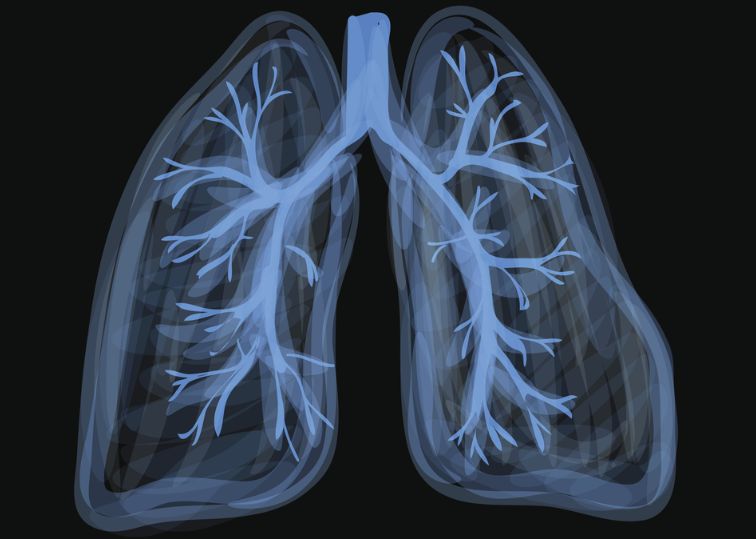
Alright, let’s have an honest chat about how vapes affect your lungs. No dramatic headlines. No doctor-speak that makes your eyes glaze over. Just the facts about what’s happening in your chest when you take a puff.
You’ve ditched the fags and picked up a vape. But now you’re wondering if you’ve just traded one set of problems for another. Your mate reckons vaping’s just as bad. Your aunt shared a dodgy article on Facebook. And sometimes you feel a bit wheezy after a heavy vaping session. Let’s sort through what’s actually going on.
What Actually Happens When You Vape
Understanding how vapes affect your lungs starts with knowing what’s physically happening when you inhale. You’re breathing in a fine mist of liquid droplets, not smoke. There’s no combustion. It’s more like breathing in steam from a kettle, except it’s got nicotine and flavourings in it.
This vapour travels down your windpipe and into your lungs. The tiny air sacs (alveoli, if you want the proper term) absorb the nicotine into your bloodstream. Your lungs also have to deal with the propylene glycol, vegetable glycerin, and flavourings that make up the rest of the liquid. That’s the basic process. Sounds simple enough, but the devil’s in the details.
Vaping vs Smoking: What’s the Difference for Your Lungs?
Before we go deeper into how vapes affect your lungs, let’s compare them to what smoking does. Because context matters massively here.
What cigarettes do to your lungs:
- Deposit thick tar that coats everything and never fully leaves
- Destroy the tiny hairs (cilia) that clean your airways
- Causes permanent scarring and narrowing of the air passages
- Fill your lungs with carbon monoxide and thousands of toxic chemicals
- Create chronic inflammation that leads to COPD and emphysema
- Dramatically increases infection risk
What vaping does to your lungs:
- Causes temporary irritation to the airways
- May reduce ciliary function (but doesn’t destroy cilia like smoking)
- Creates some inflammation, but significantly less than smoking
- Doesn’t deposit tar or permanent residue
- Contains far fewer toxic chemicals
It’s like comparing getting punched in the face daily (smoking) versus getting lightly slapped occasionally (vaping). But they’re not remotely equivalent.
The Short-Term Effects on Your Lungs
Let’s talk about how vapes affect your lungs in the immediate term—stuff you might notice right away.
The Throat Hit and Coughing
When you first start vaping, you’ll probably cough. Your throat feels scratchy. You might wheeze a bit. This is normal and usually temporary. Your lungs have spent years (or decades) dealing with thick cigarette smoke. Now you’re giving them something completely different. They’re confused. They need time to adjust.
Why you’re coughing:
- Your airways are healing from smoking damage
- Propylene glycol can be drying, especially at first
- You might be using too high a nicotine strength
- Your technique might need adjusting (vaping requires slower, longer draws than smoking)
Give it a couple of weeks. Most people find that the coughing settles down as their lungs adapt. If it doesn’t, try a different nicotine strength or PG/VG ratio.
Dehydration Effects
Here’s something many people don’t expect about how vapes affect your lungs: they can dry you out. Both PG and VG are hygroscopic. Fancy word meaning they attract and hold water molecules. When you vape, these compounds can pull moisture from your mouth and airways. Signs you’re getting dehydrated from vaping:
- Dry mouth that won’t quit
- Increased thirst
- Dry, scratchy throat
- Headaches after vaping sessions
Solution? Drink more water. Seriously, it’s that simple. I keep a bottle on my desk and take a sip between vapes. Problem sorted.
Increased Mucus Production
Some vapers notice they’re coughing up more phlegm, especially in the first few months. This is actually how vapes affect your lungs in a weirdly positive way. Your lungs are clearing out years of smoking damage. The cilia (those tiny cleaning hairs) are starting to work again. They’re pushing all the accumulated tar and gunk up and out. It’s gross, but it’s progress. This usually peaks around 2-3 weeks after quitting smoking and then gradually improves. If it persists for months, chat with your GP.
The Long-Term Picture
Now for the trickier bit: how vapes affect your lungs over years of use.
What Research Shows So Far
We’ve got about 15-20 years of data on vapers now. Not as long as we’d like, but enough to see some patterns.
Studies on long-term vapers show:
- Lung function is significantly better than continuing smokers
- Former smokers who switch see improvements in breathing capacity
- Chronic bronchitis symptoms reduce dramatically
- No evidence of COPD or emphysema development from vaping
- Reduced inflammation markers compared to smoking
That said, vaping isn’t completely neutral. Some studies show minor changes in lung function compared to non-smokers. But these changes are tiny compared to the carnage that smoking causes.
The Inflammation Question
Understanding how vapes affect your lungs means talking about inflammation, your body’s response to irritants. Vaping does cause some inflammation in your airways. Your immune system sees foreign substances and responds. But it’s nothing like the constant, severe inflammation that smoking triggers.
Think of it like the difference between a paper cut and a stab wound. Both involve injury, but the severity is completely different.
Popcorn Lung and Other Scary Stories
You’ve probably seen headlines about how vapes affect your lungs and cause “popcorn lung.” Let’s clear this up. Popcorn lung (bronchiolitis obliterans) is a serious condition where airways become scarred and narrowed. It got its name from factory workers who developed it after inhaling massive amounts of diacetyl, a buttery flavoring chemical.
Some vape liquids did contain diacetyl. Past tense. Most UK manufacturers removed it years ago. And here’s the kicker: cigarettes contain 100 times more diacetyl than any vape ever did, yet smokers don’t get popcorn lung. Has anyone ever developed popcorn lung from vaping?
The Black Market Problem
When discussing how vapes affect your lungs, we have to address dodgy, unregulated products.
Remember those vaping-related lung injuries in America around 2019? Turns out they were all from black market THC vapes containing vitamin E acetate—an oil that absolutely wrecks your lungs when inhaled.
Illegal vapes can contain:
- Vitamin E acetate (found in dodgy THC carts)
- Heavy metals from poor-quality coils
- Unknown chemicals from unregulated manufacturing
- Harmful cutting agents
This is why you buy from legitimate UK shops. Regulated products are tested. They meet safety standards. They won’t fill your lungs with mystery chemicals.
Different Vapes, Different Effects
How vapes affect your lungs varies depending on what type of device you’re using.
Sub-Ohm and Cloud Chasing
Big clouds mean you’re inhaling more vapour. More vapour means more volume going into your lungs. It’s not necessarily more harmful, but it is more stuff.
If you’re constantly chucking massive clouds, you might notice:
- More throat irritation
- Increased mucus production
- Temporary breathlessness
- More dehydration
Doesn’t mean you need to stop. Just be aware and stay hydrated.
High-Nicotine Pod Systems
Devices like Juul or other salt nicotine systems deliver nicotine differently. They’re smoother on the throat but can be quite intense on your lungs if you overdo it.
Nicotine itself can cause airways to constrict slightly. Using really high strengths (20mg) frequently might make you feel tight-chested.
MTL vs DTL
Mouth-to-lung (like smoking a cigarette) versus direct-to-lung (like taking a deep breath) affects how vapes affect your lungs differently.
DTL sends vapour straight into your deep lung tissue. MTL keeps more of it in your upper airways. Neither’s necessarily better, but DTL users often report needing more hydration.
Signs Something’s Actually Wrong
Most effects of vaping on your lungs are minor and temporary. But sometimes there are genuine problems.
See a doctor if you experience:
- Chest pain that doesn’t go away
- Severe shortness of breath
- Coughing up blood
- Wheezing that gets progressively worse
- Persistent chest infections
- Pain when breathing deeply
Don’t mess about with this stuff. Most vapers never experience these symptoms, but if you do, get checked out.
Making Vaping Easier on Your Lungs
Want to minimise how vapes affect your lungs? Here are practical tips:
Hydration is king:
- Drink water constantly while vaping
- Keep a bottle with you
- Add electrolytes if you’re vaping heavily
Choose your liquids wisely:
- Higher VG can be gentler (less throat hit)
- Lower nicotine if you’re getting chest tightness
- Avoid dodgy flavours from unknown brands
Device maintenance matters:
- Change coils regularly (burnt coils = harsh vapour)
- Clean your device properly
- Don’t chain vape constantly
Take breaks:
- Your lungs need recovery time
- Don’t vape every waking minute
- Go outside, breathe fresh air
Conclusion
They do have some impact. Temporary irritation, possible minor inflammation, and dehydration effects. But compared to smoking? It’s not even close. Former smokers who switch see massive improvements in lung function, breathing capacity, and overall respiratory health. Your lungs aren’t designed to inhale anything except air. Vaping isn’t perfect. But if the alternative is smoking, your lungs will absolutely thank you for making the switch.
The key is understanding how vapes affect your lungs realistically. Not pretending they’re completely harmless. But also not buying into scaremongering that treats them like cigarettes. Buy quality products. Listen to your body. And drink your bloody water. Your lungs are doing their best. Give them a fighting chance.


