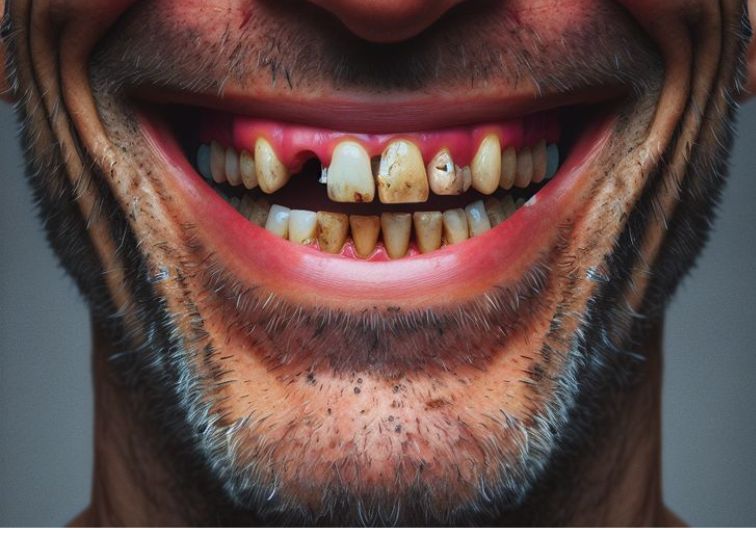
Are you worried that using pouches could cause gum cancer? I understand. If you’ve quit smoking and started using nicotine pouches, you may be wondering: “Do nicotine pouches cause gum cancer?” It’s a valid question. People say they’re “safer,” but is that really true?
Short Answer
Current research does not clearly show that nicotine pouches cause gum cancer. The risk is far lower than smoking, but it’s not zero, because nicotine pouches are still relatively new. Science hasn’t found strong proof of gum cancer from pouches so far.
What Does the Research Actually Say?
Let’s break down what scientists have found out so far, and where the gaps are.
1. Nicotine vs Cancer
- Nicotine alone is not considered a major cancer-causing chemical.
- It’s the tar and many of the toxins in smoke that cause cancer, not just the nicotine.
- Studies on pure nicotine show much lower cancer risk than tobacco.
2. Oral (Gum) Cancer Studies
- There are only a few long-term studies on nicotine pouches specifically.
- Some research looks at “smokeless tobacco” (chewing tobacco, snus), but pouches are different: they don’t have tobacco leaf, and often have fewer harmful chemicals.
- In those smokeless tobacco studies, there is a slightly increased risk for oral cancer — but that’s not the same as nicotine-only pouches.
3. What Lab Tests Show
- Lab tests on cells exposed to nicotine show some stress on cells, but not consistent DNA damage that leads to cancer.
- Animal studies are limited. The ones that do exist don’t clearly show gum cancer caused by nicotine-only pouches.
- Researchers are watching this carefully, though, this tech is still new, relatively speaking.
4. Real-World Data
- Because pouches haven’t been around in massive numbers for decades, long-term data is limited.
- There are no huge studies yet that link nicotine pouches directly to gum cancer in people.
- Some public health reports (from Sweden, Switzerland, the US) say the cancer risk is much lower compared to smoking or chewing tobacco.
Why the Risk Is Lower Than Smoking
Here’s why pouches are likely safer from a cancer point of view:
- No combustion: When you smoke, burning tobacco creates a load of cancer-causing chemicals. Pouches don’t burn.
- Fewer toxins: Pouches often contain only nicotine, flavouring, and filler. They lack many of the harmful substances found in cigarettes.
- Lower exposure: With pouches, you’re not exhaling or inhaling smoke, which reduces exposure to dangerous by-products.
- Better regulation: Many pouches are regulated in the UK and EU, so the levels of harmful chemicals are controlled.
Because of that lower exposure, the risk of gum cancer from pouches should be much lower, at least, in theory and according to early evidence.
What Are the Possible Risks?
Even if the gum cancer risk is low or uncertain, pouches aren’t totally risk-free. Here’s what the research and expert opinion say we should watch out for:
- Gum irritation: Some users report soreness or mild gum inflammation. That doesn’t mean cancer, but repeated irritation over the years might be a concern.
- Nicotine addiction: Pouches still deliver nicotine. That keeps you addicted, which has other health impacts.
- Oral lesions: In rare cases, heavy use of smokeless tobacco can lead to white patches in the mouth. But pouches haven’t been strongly linked to cancerous lesions.
- Unknown long-term effects: Because pouches are relatively new, we don’t have 30- or 40-year studies yet. There’s always some uncertainty.
How Pouches Compare to Other Nicotine Options
Pouches vs Smoking
- Smoking is much riskier for cancer, especially lung, throat, and gum.
- With pouches, you avoid smoke, tar, and many cancerous by-products.
- If you’re quitting smoking, pouches are far safer for cancer risk than lighting up again.
Pouches vs Chewing Tobacco or Snus
- Chewing tobacco and snus contain tobacco leaf, which has far more chemicals than nicotine-only pouches.
- Studies on snus show a small risk for oral cancer, but pouches tend to have fewer cancer-related chemicals.
- So pouches are likely “cleaner” than older smokeless tobacco products.
Pouches vs Vaping
- Vaping also delivers nicotine without smoke, but your lungs deal with vapour.
- Cancer risk from vaping is still being studied.
- Pouches skip the lung altogether, so if your worry is cancer in the mouth or throat, pouches might be a safer bet, though it’s not totally risk-free.
What Experts and Health Bodies Say
- Public health organisations tend to agree that pouches are lower risk than smoking.
- Some regulatory bodies call them a “tobacco harm reduction” tool. That means they help reduce risk compared to cigarettes.
- But many experts also say: “We need more research.” They’re cautious because pouches haven’t been used by millions for decades.
- Dentists warn about gum irritation and possible long-term effects if you use very strong pouches for years.
Do Nicotine Pouches Cause Gum Cancer?
There’s no solid proof that nicotine pouches cause gum cancer, at least not yet. Based on what we know:
- The risk appears much lower than smoking.
- There’s limited direct research on pouches, gum cancer.
- Most of the worry comes from what we already know about tobacco smoke, not from modern pouches.
- Scientists are watching. More studies are coming.
What Can You Do to Minimise Risk?
If you’re using nicotine pouches and worried about gum health, these are smart moves:
- Use lower-strength pouches if you can.
- Don’t leave a pouch in for hours on end; rotate your mouth.
- Take breaks. Don’t use them 24/7 if you don’t need to.
- Visit your dentist regularly, and tell them you use pouches.
- Consider cutting down over time: reduce strength, reduce frequency.
- Stay informed: keep an eye on new research about nicotine pouches.
Treat pouches like a tool, not a forever crutch.
Final Thought
So, to answer your question, do nicotine pouches cause gum cancer? The best we can say right now is: probably not in any meaningful way, based on the science we have. They’re much safer than smoking. They don’t involve burning. But “safe” doesn’t mean “risk-free.” There’s still some uncertainty. We need longer-term studies. If you’re using nicotine pouches to quit smoking, you’re likely making a healthier choice. Just be sensible about strength and usage, and talk to your dentist if you’re worried.